Products
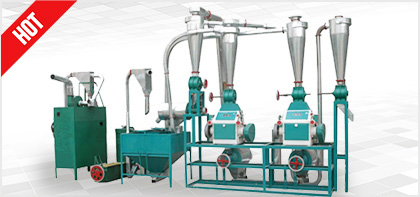
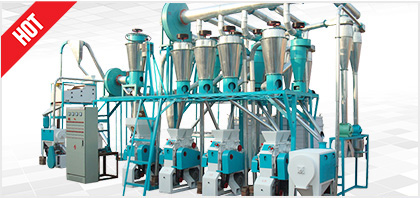
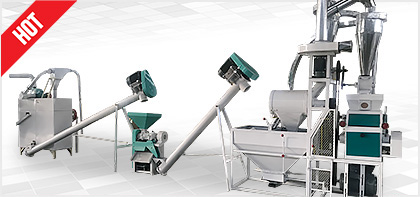
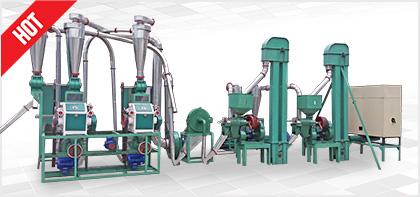
Turn-Key Project Of Flour Mill Plant And Equipment
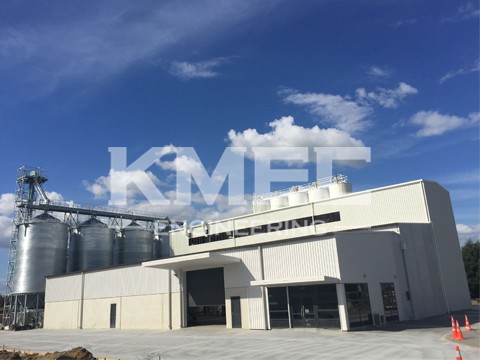
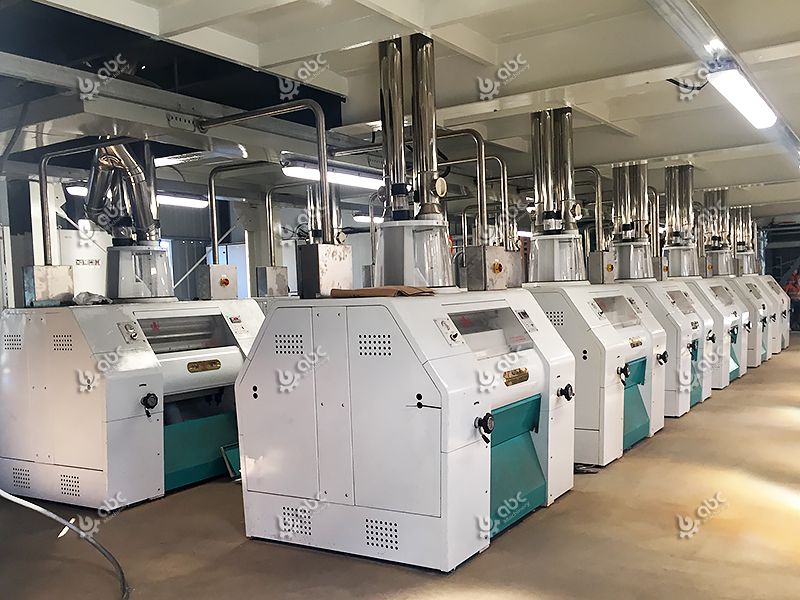
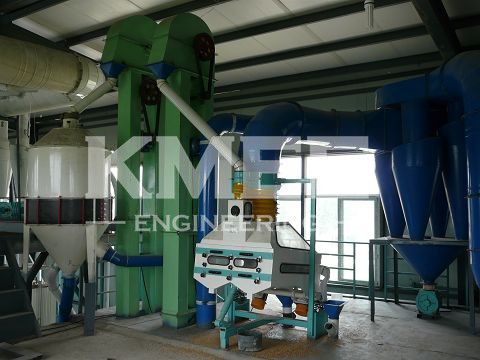
Through decades of flour milling industry development, the development of China's flour milling and grain processing equipment production level had a great improvement, according to the flour milling industry and diversified demand for flour quality from consumer, we design of complete sets of flour mill plant build, which can fully meet the different needs of users.
Floor Type Flour Mill Plant


First Floor

Second Floor

Third Floor

Fourth Floor

Fifth Floor

Sixth Floor
Floor type flour mill plant usually have four, five, six layer, according to the specific requirements of the user’s specific.
Steel-frame Structure Flour Mill Plant
The installation of steel-frame structure engineering for the plant usually have a two-story, three-story structure, low cost construction, less investment, promise quick returns.

40TPD

50TPD

60TPD
Flour Mill Plant Equipment: 18 Machines in 5 Sections
A complete flour mill plant runs on 18 equipment types across five sections: grain cleaning, flour milling, storage, PLC control and automatic packing. Each unit below has its own page with the full model table, capacity range and power draw, so a line can be specified machine by machine rather than ordered as an unexamined package.The section that decides flour quality is cleaning, not grinding: every tonne of wheat passes through the cleaning house before it reaches a roller mill, and the ash left in the flour is largely set there. The section that decides output is the roller mill, where roll length and the number of roll pairs fix daily tonnage.
Jump to a Flour Mill Equipment Section
| Section | Units | What it does |
|---|---|---|
| Grain Cleaning | 10 | Cleaning decides how much ash ends up in the flour. |
| Flour Milling | 5 | Grinding, sifting and purifying. |
| Storage Silo | 1 | Buffer capacity between intake, milling and dispatch, so the line runs at a steady rate. |
| PLC Control | 1 | Supervision and automation of the whole line, from intake weighing to packing. |
| Automatic Packing | 1 | The last step that touches the product: weighing, bagging and closing. |
Grain Cleaning
Cleaning decides how much ash ends up in the flour. Every tonne of wheat passes through this section before it reaches a roller mill.

SCY63 – SCY120
20 – 100 t/h
0.75 – 2.2 kW
First coarse pass: removes straw, cobs and large impurities before fine cleaning.

TQLZ80×100 – TQLZ180×200
6 – 26 t/h
2 × 0.25 – 2 × 1.1 kW
Sieve-based sizing that takes out stones, mud balls and oversized grain.

TQLM63 – TQLM160
2 – 16 t/h
0.55 – 1.5 kW
Drum screening for small and long impurities, on a compact footprint.

TQSF40 – TQSF175
1.5 – 23 t/h
2 × 0.25 – 2 × 0.37 kW
Separates stones of the same size as grain by density, on a vibrating deck.

TCXT200×12 / ×15
1 – 6 t/h
no drive
Captures tramp iron ahead of grinding, protecting roller and sieve.

KXFL80 – KXFL120
12 – 20 t/h
2,800 – 4,100 m³/h air
Air classification that lifts light impurities out of the grain stream.

FDMW40×100 – FDMW40×150×2
5 – 25 t/h
5.5 – 15 kW
Dry scouring that rubs dirt and bran flakes off the kernel surface.

KXMS40×100 – KXMS90×150
1.5 – 9 t/h
3.0 + 0.55 – 11 + 1.5 kW
Wet cleaning for grain with heavy surface contamination; needs water control upstream.

selected per project
—
—
Adds and equalises tempering water so bran separates cleanly in the mill.

FSML38 / FSML38×2
3 – 16 t/h
7.5 kW, single or twin
Final surface brush before first break; reduces bran dust in the mill.
Flour Milling
Grinding, sifting and purifying. This section sets extraction rate and flour grade.

FMFQ8×2 – FMFQ10×4
roll 250 – 300 mm
pneumatic control
The grinding heart of the line; roll length and pair count set plant capacity.

FSFG4×24C – FSFG10×24H
4 – 10 sections
4 – 15 kW
Separates ground stock into flour, semolina and bran by sieve and rotation.

FQFDZ50×2×3 – FQFDZ75×2×3
0.4 – 5.6 t/h
2 × 0.5 – 4 × 0.25 kW
Air-and-sieve grading of semolina; raises extraction in longer milling flows.

KFSLZ-43 / KFSLZ-51
1 – 2.3 t/h
3 – 5.5 kW
Breaks up compacted stock after reduction rolls so sifting can separate it.

KFPDW30 / KFPDW45
0.9 – 3.2 t/h
2.2 – 5.5 kW
Recovers adherent flour from bran; directly improves yield.
Storage Silo
Buffer capacity between intake, milling and dispatch, so the line runs at a steady rate.

Grain and Flour Storage Silo
| Model range | silo bank, sized to project |
|---|---|
| Capacity | matched to line |
| Power | — |
Intake, tempering and finished-product silos with handling equipment.
PLC Control
Supervision and automation of the whole line, from intake weighing to packing.

PLC System for Flour Mill Plant
| Model range | line-wide control cabinet |
|---|---|
| Capacity | whole plant |
| Power | — |
Central control of weighing, feeding, grinding and packing sequences.
Automatic Packing
The last step that touches the product: weighing, bagging and closing.

Automatic Packing Machine
| Model range | DCS10 / DCS25 / DCS50 |
|---|---|
| Capacity | 3 – 4 bags/min |
| Power | 2.2 kW |
Weighs and fills 1–10 kg, 20–25 kg and 50 kg bags at 0.4–0.65 MPa air.
All 18 Units at a Glance
Published figures, as they appear on each unit page. Capacity is per hour for that single machine, not for the whole plant.
| Section | Machine | Model range | Capacity | Power |
|---|---|---|---|---|
| Grain Cleaning | Pre-Cleaning Drum Separator | SCY63 – SCY120 | 20 – 100 t/h | 0.75 – 2.2 kW |
| Vibrating Separator | TQLZ80×100 – TQLZ180×200 | 6 – 26 t/h | 2 × 0.25 – 2 × 1.1 kW | |
| Rotary Separator | TQLM63 – TQLM160 | 2 – 16 t/h | 0.55 – 1.5 kW | |
| Gravity Destoner | TQSF40 – TQSF175 | 1.5 – 23 t/h | 2 × 0.25 – 2 × 0.37 kW | |
| Magnetic Separator | TCXT200×12 / ×15 | 1 – 6 t/h | no drive | |
| Air Suction Separator | KXFL80 – KXFL120 | 12 – 20 t/h | 2,800 – 4,100 m³/h air | |
| Horizontal Scourer | FDMW40×100 – FDMW40×150×2 | 5 – 25 t/h | 5.5 – 15 kW | |
| Wheat Washer | KXMS40×100 – KXMS90×150 | 1.5 – 9 t/h | 3.0 + 0.55 – 11 + 1.5 kW | |
| Wheat Dampener | selected per project | — | — | |
| Wheat Brusher | FSML38 / FSML38×2 | 3 – 16 t/h | 7.5 kW, single or twin | |
| Flour Milling | Pneumatic Roller Mill | FMFQ8×2 – FMFQ10×4 | roll 250 – 300 mm | pneumatic control |
| Plansifter | FSFG4×24C – FSFG10×24H | 4 – 10 sections | 4 – 15 kW | |
| Purifier | FQFDZ50×2×3 – FQFDZ75×2×3 | 0.4 – 5.6 t/h | 2 × 0.5 – 4 × 0.25 kW | |
| Impact Detacher | KFSLZ-43 / KFSLZ-51 | 1 – 2.3 t/h | 3 – 5.5 kW | |
| Bran Finisher | KFPDW30 / KFPDW45 | 0.9 – 3.2 t/h | 2.2 – 5.5 kW | |
| Storage Silo | Grain and Flour Storage Silo | silo bank, sized to project | matched to line | — |
| PLC Control | PLC System for Flour Mill Plant | line-wide control cabinet | whole plant | — |
| Automatic Packing | Automatic Packing Machine | DCS10 / DCS25 / DCS50 | 3 – 4 bags/min | 2.2 kW |
From Daily Tonnage to Machine Capacity
Buyers quote plant size in tonnes per day; every table on this site quotes machines in tonnes per hour. The conversion is arithmetic: t/h = t/d ÷ running hours per day. A 50 t/d plant on a 20-hour shift needs machines rated at 2.5 t/h, not 50.
| Plant size | At 20 h/day | At 24 h/day | Roller mill scale |
|---|---|---|---|
| 10 t/d | 0.50 t/h | 0.42 t/h | single small mill |
| 20 t/d | 1.00 t/h | 0.83 t/h | compact multi-pass |
| 30 t/d | 1.50 t/h | 1.25 t/h | compact multi-pass |
| 50 t/d | 2.50 t/h | 2.08 t/h | standard multi-pass |
| 100 t/d | 5.00 t/h | 4.17 t/h | standard multi-pass |
| 200 t/d | 10.00 t/h | 8.33 t/h | large multi-floor line |
Cleaning equipment is normally sized above the milling rate, because the cleaning house has to keep ahead of the mill during the hours it runs. How far above depends on the grain and on the cleaning shift length; it is fixed per project, not by rule of thumb.
How to Read This Page When Specifying a Line
-
Start from daily tonnage and the grain. Wheat and maize need different cleaning and different roll settings, and the equipment list changes with them.
-
Match the roller mill first. Plansifter, purifier and bran finisher are sized around the mill, not independently.
-
Treat storage as buffer, not as capacity. Silo volume sets how long the plant can run without an intake, which is a commercial decision as much as an engineering one.
-
Check the power column against the supply you actually have. A 100 t/d line draws far more than a small mill, and the connection is often the real constraint.
For plant-level examples rather than single machines, see the 150 t/d plant in Bangladesh, the 160 t/d plant in New Zealand and the 50 t/d maize mill. For the process behind the equipment, read the wheat milling process and small-scale plant layout.
Send the Specification, Get a Unit List
Four items decide the equipment list: grain, daily tonnage, running hours per day, and the flour grade the market requires. With those, the 18 units above resolve into a specific list with model numbers, power draw and footprint, rather than a price range that leaves the selection to the buyer.Send them through the enquiry form and the reply names the machines, not just the plant size.


We receive enquiries in English, Español (Spanish), Русский язык (Russian), Français (French) and العربية (Arabic). Our professional team will reply to you within one business day. Please feel FREE to contact us!