Designing Flour Mill Projects in New Zealand
Analyze investment costs, engineering design needs, and operational factors for flour mill projects in New Zealand within the global flour mill market.
New Zealand Flour Milling Project Planning
New Zealand Flour Mill Investment Environment And Industry Demand Analysis
New Zealand’s position within the flour mill market continues to evolve as wheat consumption increases by 2.3% annually and domestic production fluctuates between 350,000 and 420,000 tons per year. The demand for flour mill in new zealand solutions is driven by both industrial bakeries and specialty food processors, creating strong conditions for new milling investments. Rising import substitution targets, particularly in regions where imported flour accounts for 18–22% of total consumption, further reinforce the need for local milling capacity. The combination of stable food manufacturing growth and predictable regulatory systems supports long-term mill development for investors evaluating the New Zealand flour market demand.
Local supply chains contribute significantly to investment considerations. Domestic wheat accounts for approximately 65% of local flour production needs, while the remaining 35% relies on imports from Australia. Transportation costs ranging from USD 18–26 per ton affect sourcing strategies and influence plant location selection. Processors operating near major ports such as Lyttelton or Tauranga report logistics savings of 12–15%, directly impacting operational margins. Regulatory frameworks such as the Food Act 2014 and environmental permitting requirements add compliance obligations but also ensure consistent industry standards across wheat processing industry nz operations.
For investors planning new facilities, understanding New Zealand’s controlled biosecurity environment and strict processing standards is essential, particularly when designing flour mill investment environment strategies that must align with long-term manufacturing trends and regional food security priorities.
Strengthen your New Zealand milling investment strategy with expert engineering guidance tailored to regulatory compliance, logistical conditions, and market-driven requirements. Partner with ABC Machinery today to secure a compliant, efficient, and future-ready milling project—our specialists are ready to help you design, plan, and accelerate your investment with confidence. Request a consultation now.

Investment Cost Structure for Flour Mills in New Zealand
Investment in a flour mill in New Zealand is shaped by several distinct cost layers influenced by local construction pricing, engineering requirements, environmental compliance, and imported equipment tariffs. Understanding each cost component allows investors to design financially optimized projects aligned with both market demand and operational efficiency.
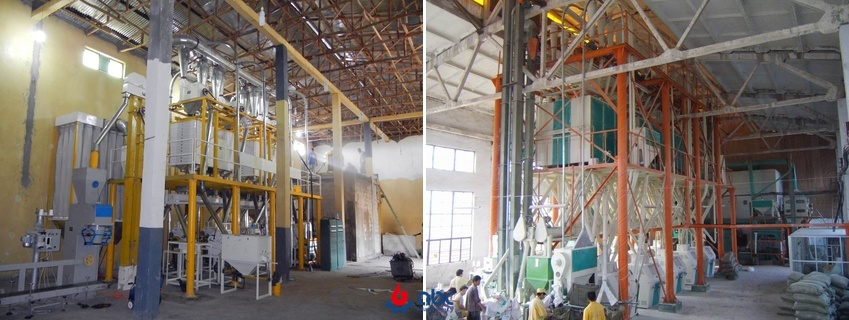
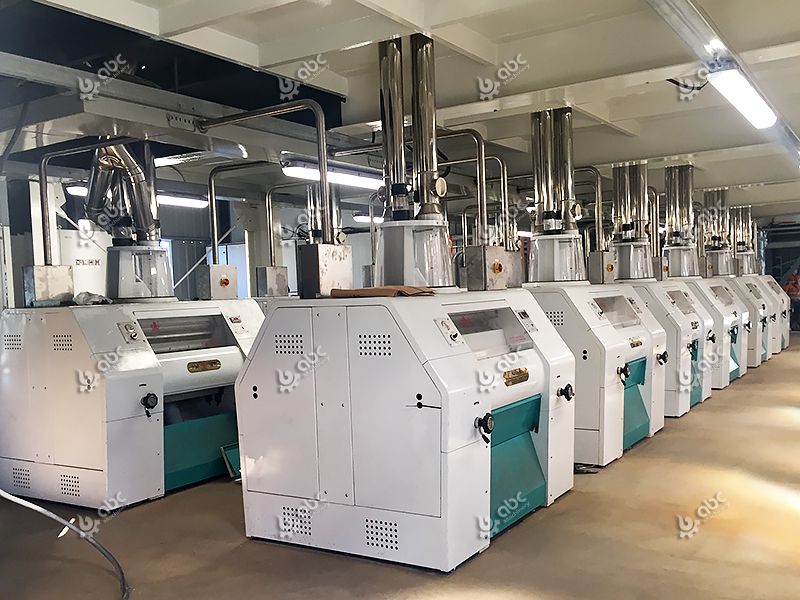
Interior View of a Large Wheat Processing Plant
1. Land, Construction, and Civil Engineering Costs
New Zealand’s construction sector maintains comparatively high labor and material rates. For flour milling projects, investors typically encounter the following cost ranges:
- Industrial land acquisition: USD 120–260 per m² depending on region (Auckland and Christchurch being the highest).
- Civil construction and structural engineering: USD 480–720 per m² for reinforced concrete and steel-frame buildings compliant with seismic standards.
- Environmental and safety compliance: USD 25,000–70,000 for permits under regional councils and WorkSafe NZ requirements.
Seismic resilience is a key engineering requirement. Flour mills must meet stringent structural stability guidelines, leading to reinforced frameworks, energy-dissipation systems, and vibration control measures for equipment floors.
2. Equipment Procurement and Machinery Investment
Most advanced flour milling machinery—roller mills, purifiers, sifters, cleaning equipment, pneumatic conveyors—is imported from specialized manufacturing hubs in Europe or Asia. Typical procurement costs for a 120–150 TPD (tons per day) flour mill include:
- Primary milling equipment: USD 1.6M–2.6M
- Cleaning & pre-processing systems: USD 350,000–650,000
- Electrical, control & automation: USD 180,000–360,000
- Packaging lines: USD 120,000–280,000
Tariffs and import logistics generally add 6–11% to equipment costs, depending on vendor origin. New Zealand’s strict biosecurity inspection process may also affect installation scheduling and equipment preparation procedures.
3. Utilities, Energy, and Operational Infrastructure
New Zealand industrial electricity costs average USD 0.16–0.22 per kWh, slightly above OECD averages. Energy usage is concentrated in milling motors, pneumatic transport systems, and fan-driven air flows in sifting and purification areas.
Supporting operational infrastructure costs include:
- Compressed air systems: USD 25,000–48,000
- Dust control & explosion mitigation: USD 60,000–150,000
- Warehouse & grain silos: USD 150,000–320,000
- Boiler/thermal systems (if required): USD 80,000–180,000
These systems form the backbone of compliance with AS/NZS food safety and dust explosion standards, two critical engineering parameters in flour plant design within the flour mill market.
ABC Machinery offer you high quality flour milling equipment at factory price, you can contact us directly to get the latest quotation if you need.

Engineering Requirements for Flour Mill Projects in New Zealand
Designing a flour mill in New Zealand requires integrating advanced processing technologies with strict regulatory, environmental, and safety frameworks. Engineering partners must incorporate both global milling standards and localized compliance rules.
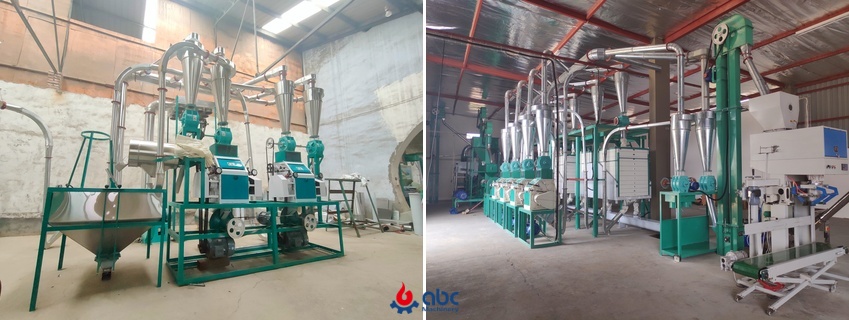
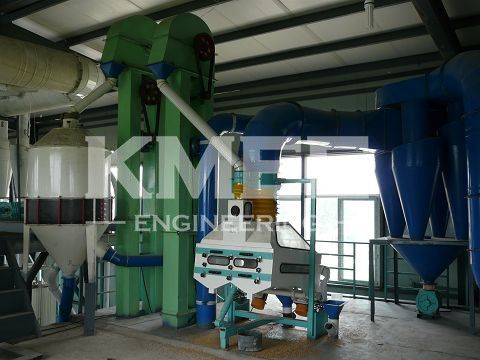
Complete Flour Milling Plant Equipment Pricing
1. Process Flow and Plant Layout Engineering
An optimized layout includes:
- Strategic zoning of cleaning, grinding, sifting, and blending areas
- Energy-efficient vertical or semi-vertical milling structures
- Grain and flour flow paths minimizing contamination and transport distances
- Integrated automation enabling real-time monitoring and recipe management
New Zealand investors often choose modular configurations, enabling staged capacity expansion as market demand grows.
2. Hygienic Design and Food Safety Engineering
Under the Food Act 2014, flour mills must demonstrate:
- Cleanable, corrosion-resistant contact surfaces
- Sealed walls, smooth floors, and sanitary drainage systems
- Positive air pressure zones and filtration
- Pest management barriers integrated into building design
- HACCP-based monitoring and traceability systems
These engineering requirements support consistent product quality and full compliance with New Zealand’s export and domestic food safety rules.
3. Environmental and Sustainability Engineering
Environmental approvals typically evaluate:
- Effluent disposal
- Dust and particulate emissions
- Noise control
- Energy consumption and heat recovery
- Waste grain and byproduct handling
Many new flour mill new zealand projects adopt energy-recovery ventilation and variable-frequency motor drives (VFDs) to reduce operating costs while meeting environmental compliance thresholds.
4. Automation, SCADA, and Digital Integration
Modern New Zealand flour mills implement:
- Automated wheat cleaning with density, magnetic, and optical sorting
- PLC-controlled milling sequences
- SCADA monitoring for grain moisture, mill load, and product quality
- Predictive maintenance via IoT-linked sensors
These technologies reduce labor requirements, enhance consistency, and allow mills to operate efficiently despite the country's higher labor costs.
Operational Cost Considerations and Profitability Analysis
Building a successful flour mill in New Zealand goes beyond capital investment. Operational cost structures directly shape long-term profitability.
1. Raw Material Supply and Pricing
Domestic wheat prices average USD 310–380 per ton, while imported Australian wheat fluctuates between USD 290–360 per ton plus freight. Quality variations between domestic and imported grain influence extraction rates and milling yields, which affect margin stability.
2. Labor Costs
New Zealand’s labor environment is one of the most regulated in the Pacific region. Industrial workforce wages reach:
- Plant operators: USD 22–29/hour
- Senior technicians: USD 32–42/hour
- Quality assurance staff: USD 26–34/hour
Automation investments can reduce labor intensity by 25–40%.
3. Maintenance and Spare Parts
Annual maintenance budgets range between 3–5% of equipment value. Because most spare parts must be imported, lead times may run from 2 to 6 weeks.
4. Profitability Model
For a 120–150 TPD mill in New Zealand:
- Gross margin range: 12–18%
- ROI timeframe: 4–7 years
- Payback period: often shortened by selling bran/pollard to livestock industries
Profit drivers include extraction rate optimization, energy efficiency, logistics savings, and flexible production for bread, noodle, and specialty flours.
Risk Factors and Mitigation Strategies
Key risk factors affecting New Zealand flour mill investments include:
- Wheat Supply Instability
Domestic weather patterns strongly influence yield. Mitigation: dual-source procurement from both New Zealand and Australian wheat markets.
- Energy Cost Volatility
Deploy energy-efficient motors, regenerative systems, and load balancing.
- Regulatory Changes
Active HACCP management, documentation systems, and periodic audits help ensure compliance with evolving food safety standards.
- Market Competition
Positioning through specialty flours, organic lines, gluten-free blends, and customized solutions supports market differentiation.
Engineering Partner Value: Enhancing Flour Mill Success in New Zealand
A qualified engineering partner plays a central role in ensuring that flour mill investments in New Zealand meet regulatory, operational, and long-term performance expectations. A strong engineering team provides:
- Full project feasibility analysis
- Custom plant layout and process design
- Equipment sourcing based on local compliance
- On-site installation, commissioning, and staff training
- Long-term technical support and optimization services
Professional engineering ensures that investments align with market demand, environmental regulations, and the long-term operational realities of the New Zealand flour milling sector.
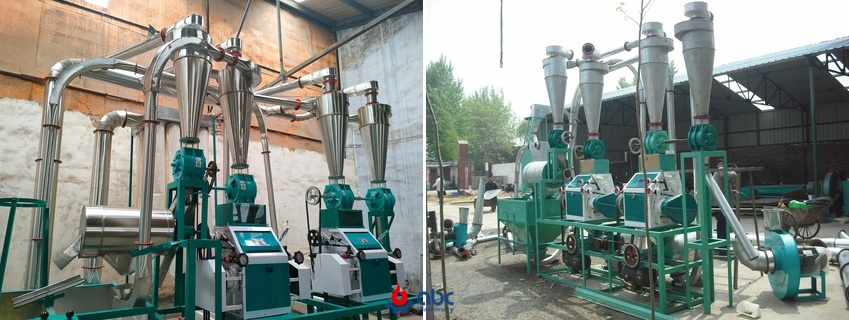
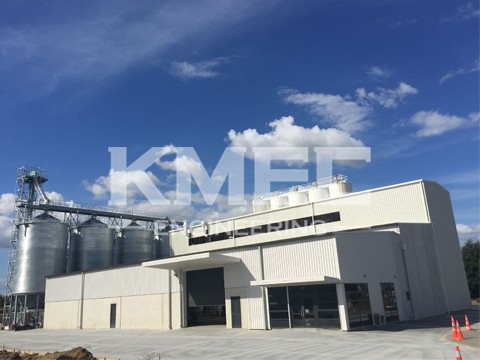
Affordable Small-Scale Wheat Processing Facility
Investing in a flour mill in New Zealand presents strong opportunities within the wider flour mill market due to stable consumption growth, demand for high-quality domestic flour, and rising import substitution initiatives. By understanding cost structures, engineering requirements, regulatory expectations, and operational strategies, investors can build high-performance milling facilities that deliver stable profitability and sustainable competitive advantages.
ABC Machinery is ready to support your project from feasibility assessment to full-scale commissioning—helping you build a flour mill that is efficient, compliant, and future-ready. Contact us today to get started.
- wheat processing steps guide
- flour mill plant construction
- cost of wheat flour mill
- 160TPD Wheat Flour Plant in New Zealand
We receive enquiries in English, Español (Spanish), Русский язык (Russian), Français (French) and العربية (Arabic). Our professional team will reply to you within one business day. Please feel FREE to contact us!