Optimizing Wheat Flour Mill Investment Costs in Nepal
Assess wheat flour mill investment costs in Nepal with engineering design, equipment selection, and cost-optimization strategies for the flour mill market.
Cost Optimization for Wheat Flour Milling Projects in Nepal
Overall Investment Structure For Wheat Flour Mill Projects In Nepal
The expanding flour mill market has influenced capital decisions for wheat flour mills in Nepal, where investors seek resilient production models capable of processing between 60 and 240 tons of wheat per day (TPD). It is essential to note that wheat flour mills in Nepal must balance capital costs, logistics constraints, and engineering standards to achieve predictable margins. Projects typically require total investment cost of flour mill ranging from USD 1.8 million to USD 6.5 million depending on capacity, equipment grade, and local construction conditions. These figures increase when integrating higher automation levels or when installing advanced cleaning stages designed to meet Nepal’s variable wheat quality, which can fluctuate in moisture by 2–4% throughout the year.
Civil Works And Construction Requirements
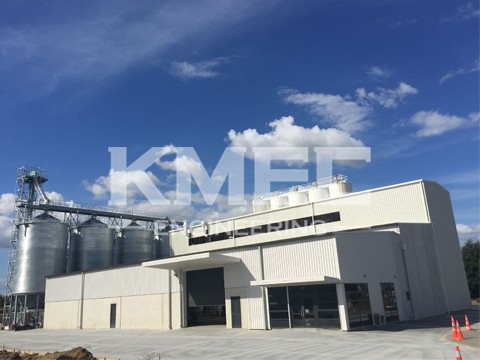
Nepal’s industrial civil construction costs generally fall between USD 190 and 320 per square meter for reinforced concrete structures, especially in regions such as Birgunj or Bhairahawa where logistics corridors allow stable access to materials. A typical 120 TPD mill requires nearly 2,500 m² of built-up area, representing USD 475,000–800,000 in civil engineering work. Earthquake-resistant foundations and steel reinforcements add 8–12% to structural costs to meet local seismic regulations. Grain silo foundations also require deeper stabilization, with depths often exceeding 2 meters due to soil load requirements.
Equipment And Mechanical Systems
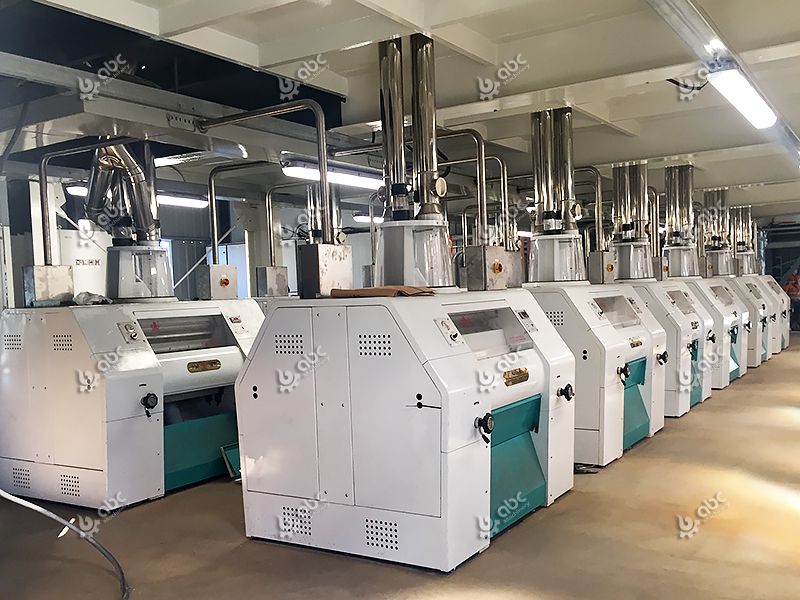
Imported flour processing machinery constitutes 55–70% of total investment in wheat flour mill investment breakdown Nepal. Core equipment includes roller mills, wheat cleaning lines, vibro separators, destoners, and plansifters. A mid-size 120 TPD project usually requires equipment expenditure between USD 1.1 million and USD 2.4 million depending on European, Turkish, or Chinese vendor origin. Energy demand for milling operations ranges between 58 and 72 kWh per ton depending on roller mill efficiency and pneumatic conveying design. Advanced MES (Manufacturing Execution System) integration adds USD 28,000–65,000 but improves traceability and reduces manual intervention by 30–40%.
Installation, Utilities, And Commissioning
Electrical installation accounts for USD 60,000–110,000 while compressed-air systems typically add USD 20,000–45,000. Steam or thermal systems are optional but help stabilize moisture addition during conditioning, improving yield by 0.3–0.6%. Commissioning teams require 25–40 working days, depending on the installation sequence and local labor readiness for training.
Comparative Capacity Investment Table
| Capacity Level (TPD) | Estimated Total Investment (USD) | Required Built-Up Area (m²) | Equipment Share (%) |
|---|---|---|---|
| 60 TPD | 1.8M – 2.6M | 1,400 – 1,800 | 55% – 60% |
| 120 TPD | 3.2M – 4.5M | 2,300 – 2,800 | 58% – 65% |
| 200 TPD | 5.0M – 6.5M | 3,800 – 4,500 | 60% – 70% |
When evaluating the flour mill capital cost structure, investors should assess local terrain constraints, grain supply variability, and energy availability. These factors can shift operational costs by 7–12% annually and may influence the selection of mechanical or pneumatic conveying routes.
Automated cleaning systems with optical sorters can also reduce foreign material risks by more than 90%, a critical factor in Nepal where local wheat impurity levels range from 0.8% to 1.6%.
Grain Supply, Logistics, And Local Conditions
Domestic wheat production in Nepal typically covers only 20–25% of industrial mill demand, requiring substantial imports from India. Logistics corridors such as Birgunj ICD see transport costs of USD 12–18 per ton for inbound wheat and USD 6–9 per ton for outbound flour. Seasonal road disruptions can extend deliveries by 24–48 hours, necessitating minimum silo storage of 800–1,200 tons for stable operation.
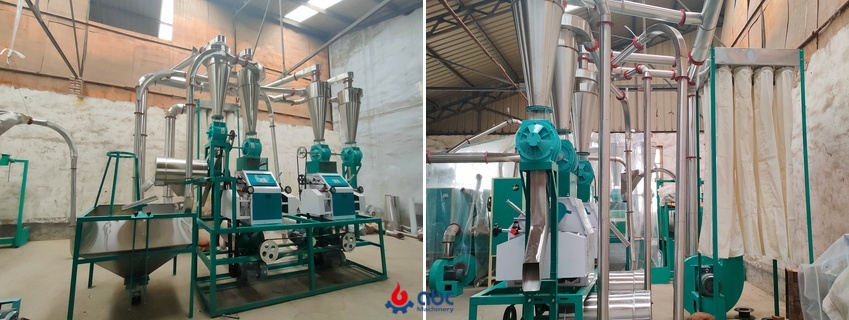
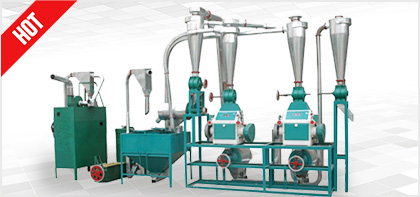
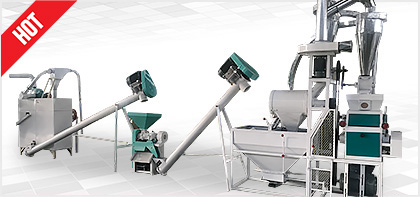
Affordable Small Wheat Flour Milling Plant on Sale
A structured investment model helps investors maintain predictable CAPEX planning while aligning with Nepal’s dynamic supply-chain realities.
Enhance your Nepal flour mill project with customized engineering solutions covering capacity planning, machine configuration, and on-site layout optimization, fully adapted to Nepal’s operational and environmental conditions.
Empower your flour mill investment in Nepal with ABC Machinery’s engineering support, so your project runs smoother, smarter, and more profitably.

Wheat Flour Production Line Design And Key Equipment Selection
Engineering teams designing wheat flour mills in Nepal must address local wheat quality inconsistency, which varies in gluten content by 1.5–2 percentage points through the year. This directly influences cleaning intensity and milling settings. As part of wheat flour mill equipment selection Nepal guidelines, investors often target extraction rates between 72% and 76% for commercial grades.
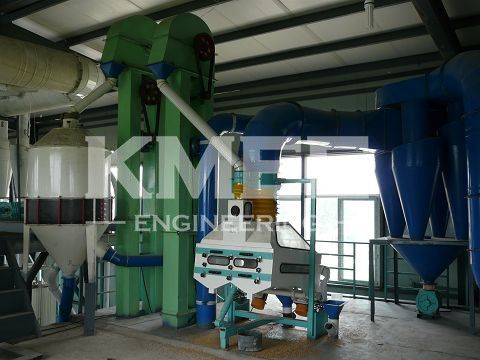
Layout design begins with a cleaning section capable of handling impurity loads of 0.8–1.6%, requiring scalpers, magnetic separators, and gravity destoners. Roller mills operating at 250–300 microns per break stage ensure stable granulation. Plansifters covering 14–18 sections allow granular control across up to eight flour streams.
Automation helps reduce operational labor by 25–35%. Advanced NIR (Near-Infrared Reflectance) analyzers enable moisture correction within ±0.2%, improving consistency in Nepal’s variable humidity environment.
Upgrade your process design and equipment integration with engineering specialists who can deliver stable performance for diverse Nepali wheat grades.
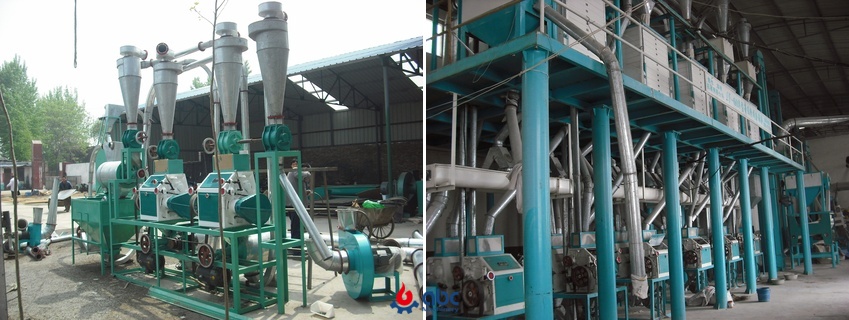
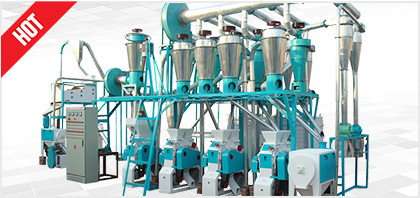
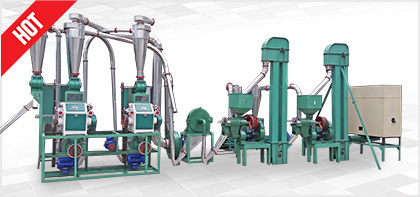
Complete Wheat Flour Processing Line for Sale
Optimizing Operating Costs of Wheat Flour Mills And Investment Returns
Energy prices in Nepal average USD 0.12–0.16 per kWh, and a 120 TPD mill typically consumes 7,200–8,600 kWh per day. Labor accounts for USD 18,000–28,000 per month for a 3-shift operation, while maintenance costs equal 3–4% of equipment value annually. As part of cost optimization wheat flour production strategies, mills can reduce energy use by 8–12% through variable-frequency drives and pneumatic route simplification.
ROI models for wheat flour mills in Nepal indicate payback periods of 4.5–6.5 years depending on wheat price fluctuations of USD 20–40 per ton and flour market variations of USD 15–25 per ton.
Improve your financial performance with a customized flour milling plant strategy built around energy optimization, automation, and yield improvement.
Market Demand Trends And Cross-Border Trade Opportunities For Nepal Flour Mills
Nepal’s annual flour consumption grows by 3–4%, with urban bakeries demanding higher-gluten grades. Domestic supply shortfalls create opportunities in Nepal flour market demand, especially for mills positioned near border zones such as Nepalgunj or Biratnagar. Cross-border activity in wheat flour trade Nepal India exceeds 150,000 tons annually, with price spreads of USD 12–18 per ton driving arbitrage.
Cross-border wheat flour trade between Nepal and India exceeds 150,000 tons annually, making it one of the most dynamic food commodity flows in the region. Price spreads of USD 12–18 per ton frequently enable profitable arbitrage for mills and traders positioned near well-connected transport corridors. Improved highway networks and streamlined customs procedures further support efficient flour movement during peak seasons.
Demand for fortified flour is expected to rise by 20–30% over the next five years as government nutrition programs expand.
To fully capture these market opportunities, mills in Nepal should align
Position your Nepal wheat flour mill for regional expansion by leveraging these emerging trends and tapping into high-growth segments across Nepal and northern India.
You may be interested in:We receive enquiries in English, Español (Spanish), Русский язык (Russian), Français (French) and العربية (Arabic). Our professional team will reply to you within one business day. Please feel FREE to contact us!