Profitability Analysis of Maize Milling Machines in Malawi
Analyze the demand drivers, investment conditions, and profitability potential of maize milling machines in Malawi, including equipment selection, operational costs, and return on investment modeling for flour mill businesses.

Profitability Analysis of Maize Milling Machines in Malawi
Malawi Maize Processing Demand And Investment Environment
The flour mill market in Africa is witnessing robust expansion, with Malawi emerging as a key growth area due to its agricultural production and rising urban demand. Annual maize consumption in Malawi exceeds 1.2 million tons, with over 60% processed locally into flour, meal, and related products. Domestic demand is driven by urban households and commercial bakeries, representing approximately 720,000 tons annually.
Key Drivers of Maize Processing Demand
- Agricultural Output: Malawi produces over 3.5 million tons of maize annually, with 40% allocated for industrial milling and value-added products.
- Population Growth: With a population of 21 million and urbanization rate of 18%, demand for processed maize products is increasing by 5–6% per year.
- Regional Trade Potential: Malawi’s proximity to Mozambique, Zambia, and Tanzania enables export opportunities for high-quality maize flour.
Investment Environment
- Policy Support: Government incentives include tax exemptions for agro-processing equipment and subsidized electricity rates for industrial operations.
- Infrastructure: Reliable power supply averaging 1,200 kWh/month for medium-scale plants and improved road networks reduce logistics costs by 10–12%.
- Financing Availability: Low-interest loans for SMEs in agro-processing are offered by development banks, covering up to 70% of equipment costs.
| Parameter | Value / Trend | Implication For Investors |
|---|---|---|
| Annual Maize Production | 3.5 million tons | Strong raw material base for milling |
| Domestic Processing Share | 60% | Supports local maize milling investments |
| Urban Consumption Growth Rate | 5–6% per year | Increasing demand for flour products |
| Power Supply For Plants | 1,200 kWh/month | Enables cost-effective continuous operations |
| Government Loan Coverage | 70% of equipment cost | Reduces initial capital burden |
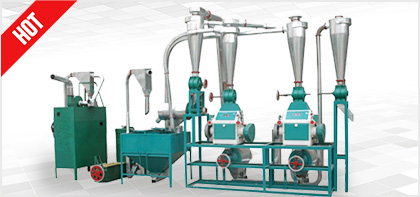
- Market Opportunity: Small- to medium-scale maize milling operations capture 35–40% of the domestic processed maize market. (Learn more about: small maize flour milling machine)
- Technology Adoption: Automated maize milling lines increase throughput by 15–20% and reduce labor costs by 10–12%.
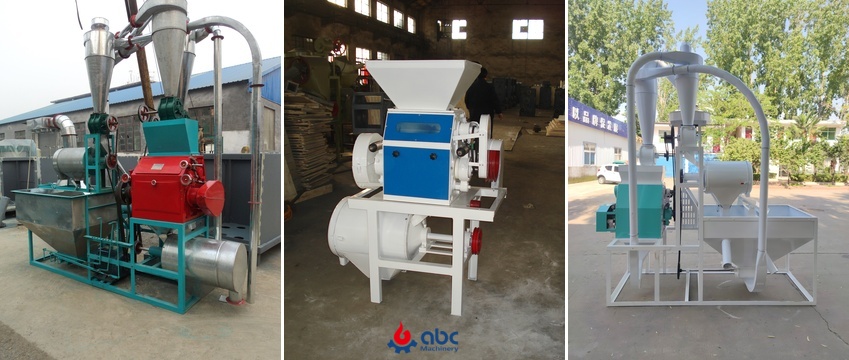
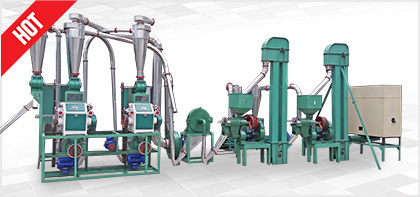
Maize Flour Milling Machine for Sale
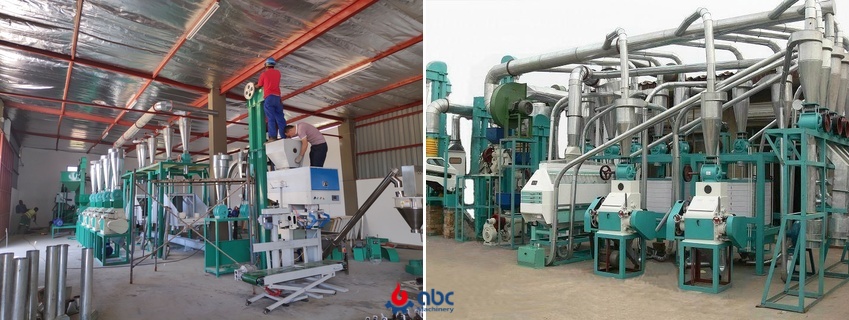
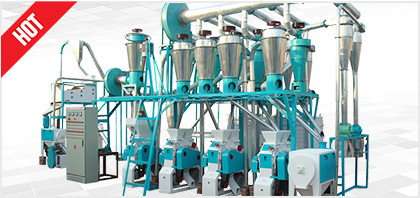
Complete Large Maize Flour Processing Line for Sale
Investors seeking a maize milling machine for sale in Malawi should assess regional demand, government incentives, and energy reliability to optimize ROI and long-term profitability.
Connect with our team to explore investment-ready maize milling solutions tailored to Malawi’s market dynamics.

Maize Milling Machine Capacity Planning Energy Efficiency And Automation
Selecting the right maize milling equipment requires balancing production capacity, energy efficiency, and automation features. Small mills in Malawi typically range from 1–5 tons/day, while medium-scale plants achieve 10–20 tons/day using roller or hammer mill configurations.
Equipment Selection Principles
- Capacity Planning: Choose machines matching anticipated demand to avoid underutilization; target capacity utilization above 85% for profitability.
- Energy Efficiency: Motors with optimized kWh per ton reduce operating costs by up to 18%.
- Automation Integration: MES (Manufacturing Execution System) platforms provide real-time monitoring of throughput, moisture levels, and yield consistency.
Practical Equipment Considerations
- Ensure stable local spare parts availability to minimize downtime.
- Integrate safety features and easy maintenance designs for long-term reliability.
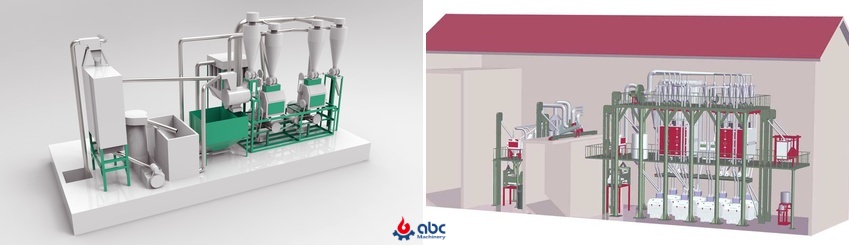
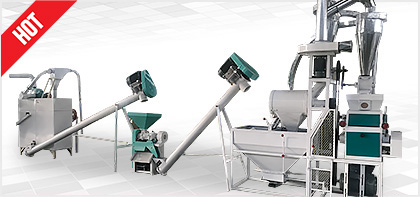
Maize Flour Plant Design and Layout
Request a customized assessment for energy-efficient, automated maize milling solutions suitable for the Malawian market.
Maize Mill ROI Calculation Cost Structure And Profitability Model
Understanding the return on investment (ROI) of a maize milling machine for sale in Malawi requires detailed analysis of cost structures and revenue streams. Initial equipment investment for a medium-scale mill ranges from USD 50,000–120,000, while operational expenses average USD 1,500–2,500 per month depending on energy and labor costs. Profit margins for maize flour production typically reach 20–25%, with value-added products such as maize meal and fortified flour generating additional revenue.
Revenue And Cost Breakdown
- Equipment Depreciation: Spread over 5–7 years, accounting for 15–20% of annual operating costs.
- Raw Material Costs: Maize procurement constitutes 45–50% of total monthly expenses.
- Labor And Utilities: Labor contributes 15–20%, while electricity and water account for 10–12%.
Cash Flow And Payback
| Component | Monthly Cost / Revenue | Notes |
|---|---|---|
| Raw Maize Procurement | USD 18,000–22,000 | Based on 10–15 tons/month processing |
| Labor & Utilities | USD 6,000–7,500 | Includes 5–7 employees |
| Monthly Revenue | USD 28,000–35,000 | Based on 20–25% gross margin |
| Payback Period | 18–30 months | Depends on capacity utilization and demand |
- Capacity Sensitivity: Operating below 70% of rated capacity can extend ROI by 12–15 months.
- Product Diversification: Fortified maize flour and maize bran products enhance revenue streams.
A structured ROI and cost analysis ensures investors in Malawi’s maize milling market make informed decisions and achieve sustainable profitability.
Partner with our engineering consultants to optimize your maize milling plant cost structure and profitability model in Malawi.
The Malawian flour mill market offers substantial potential. By analyzing demand, selecting optimized equipment, and structuring investments effectively, investors can achieve strong returns while meeting growing local and regional maize flour needs.
You may be interested in:We receive enquiries in English, Español (Spanish), Русский язык (Russian), Français (French) and العربية (Arabic). Our professional team will reply to you within one business day. Please feel FREE to contact us!